Planting design involves more than simply picking some
plants you like and arranging them in a border.
When combined correctly plants should provide year-round interest and
colour. Although, this doesn’t mean using a bland combination of evergreen
shrubs. It is the changing nature of
plants throughout the year that is part of a garden’s charm.
Plants should be assessed for their individual merits, the
most important quality being outline form. Plants with strong outlines give a
planting scheme structure and interest even when they have no leaves or
flowers. Combine different plant shapes, for example, place a plant with a
rounded outline next to one with a spiky upright form like to create some drama.
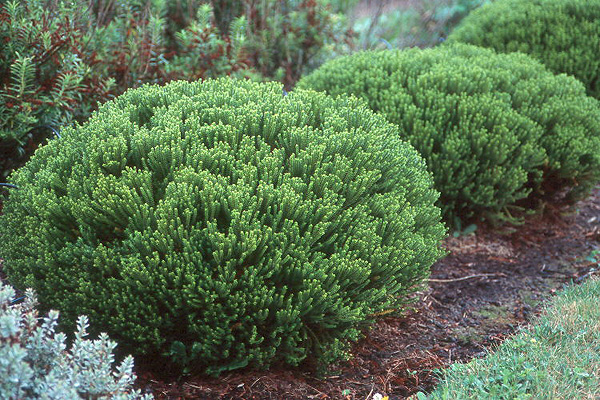
The spiky, dark leaves of Phormium 'Bronze Baby, contrast well with the rounded dark green shape of Hebe 'Rakiensis'.
Leaf shape, size, colour and texture is important. Combine plants with large leathery leaves
with others that have smooth or hairy leaves to create some interesting
textural effects. Choose plants with
dark purple leaves and place these next to others with gold leaves for a
dramatic contrast. Place plants with
small dark matt green leaves against others with large glossy palmate leaves to
give the planting scheme depth.
 The rounded, shiny leaves of this Asarum, are a lovely contrast to the large, leathery leaves of Rodgersia and they look great together in a shady, damp border.
 The gold foliage of Choisya ternata 'Sundance' contrast well wiuth the feathery, dark leaves of Sambus nigra 'Black Lace'.
Use plants with dramatic, unique outline forms as focal
points to draw the eye to specific parts of the garden. These plants should have something that
separates them from the other plants in the planting scheme such as a dramatic
leaf shape, or unusual foliage colour, or both.
 Trachycarpus fortuneii and Cornus contraversa 'Variegata' are good examples of plants with strong outline forms and interesting leaf shapes.
Most planting schemes have a backbone of shrubs mixed with
herbaceous perennials and grasses.
Although it is important not to allow the plants to obscure one another,
it is possible to use larger plants with more open structures further forward
in the border. This will give the
planting a looser, more informal look.
Herbaceous perennials that flower at different times will add
colour to the border throughout the growing season. Plant perennials in odd numbered groups and
drifts of no less than three. Single
perennials in a border create a spotty scheme that lacks drama and
cohesion. When working with perennials
try to resist the urge to cram in all your favourites – a large drift of one
plant works much better than several smaller clumps of different plants.

 Echinacea and Achillea are long flowering herbaceous border staples.
Grasses are great for texture and some of the larger ones
make good focal points or informal screens.
Many grasses have airy flowers that make a wonderful foil for other
plants in the border.
Grasses can be
planted in drifts or dotted throughout the border.
Some of the smaller grasses like Pennisetum
and Stipa tenuissima make good border edging plants.
Grasses work equally planted in a perennial
border or used with architectural plants like Phormiums to soften and blend
them together.
Most grasses can be left
intact over winter, providing something interesting to look at in the border
especially when their dead flower heads are dusted with frost.
 Miscanthus is an excellent tall, architectural grass, whilst Pennisetum is smaller but no less dramatic.
Include scent in the planting by using shrubs with scented
flowers that bloom at different times of the year – there are plenty that will
flower in the winter. Heavily scented
herbaceous perennials are not so common, but there are varieties with good
scented blooms and these can also add scent to the border. Also, some perennials and shrubs have scented
foliage.
 Daphne odora 'Aureomarginata' and Skimmia are heavily scented evergreen shrubs that will grow well in shade.
Good planting design results in a strong, cohesive scheme
that has drama, softens the hard landscaping, provides scent and colour, and
helps to set the house into its plot.
If you would like help designing your garden, or if you
simply want a new planting scheme please drop me an
email, or visit my
Web site
for telephone contact details.
You can also
see examples of my work on my
Facebook page and
Houzz profile.